

Exploring the industries and services news of the United Arab Emirates
Provided by AGP
YRC Reveals: Warehouses Wasting Up to 40% of Capacity Through Broken Layouts, New Optimization Framework Released
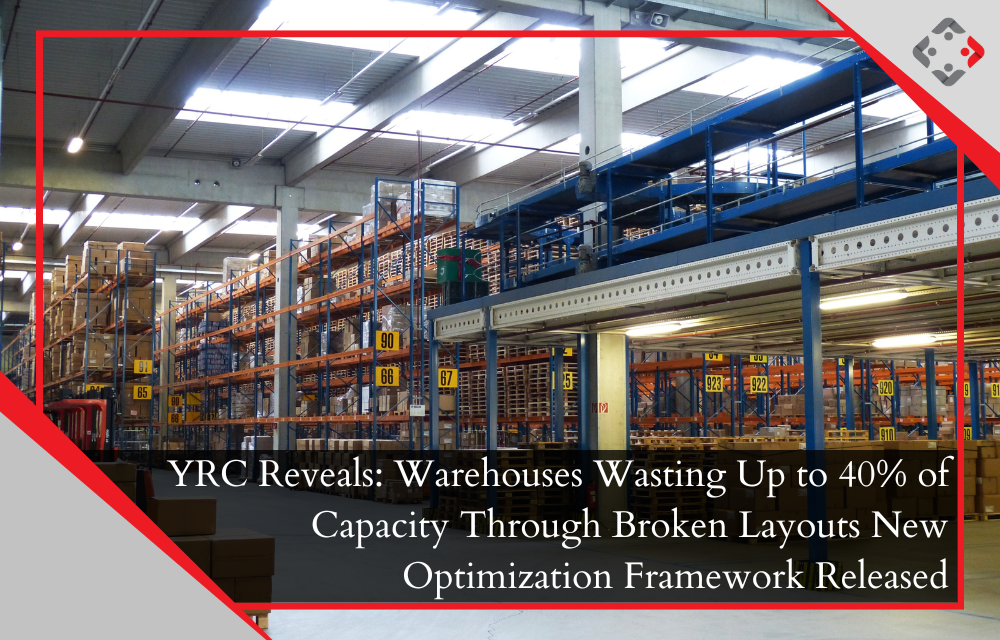
YRC's new warehouse optimization framework targets layout failures and chaotic picking flows that drain retail margins without appearing on any standard report.
Retailers track shrinkage and stockouts. Almost none track how much capacity their warehouse layout quietly destroys every single day.”
DUBAI, DUBAI, UNITED ARAB EMIRATES, May 19, 2026 /EINPresswire.com/ -- What if the warehouse sitting behind the retail operation is the single biggest drag on profitability and nobody on the team is measuring it?— Rupal Agarwal, CSO at Your Retail Coach
That question is no longer rhetorical for retail chains watching fulfillment costs climb without a clear explanation. Broken layouts, unreviewed slotting decisions, and chaotic picking flows quietly absorb margin that no shrinkage report will ever surface. Your Retail Coach (YRC), a specialist retail and eCommerce consulting firm with 500+ businesses advised across the globe, has released a structured warehouse optimization framework addressing the operational blind spots that cause capacity waste, labor inflation, and fulfillment failure in retail warehouse management.
𝗧𝗵𝗲 𝗣𝗿𝗼𝗯𝗹𝗲𝗺 𝗖𝗼𝘀𝘁𝘀 𝗠𝗼𝗿𝗲 𝗧𝗵𝗮𝗻 𝗠𝗼𝘀𝘁 𝗥𝗲𝘁𝗮𝗶𝗹𝗲𝗿𝘀 𝗥𝗲𝗮𝗹𝗶𝘀𝗲
Up to 40% of warehouse capacity in retail operations goes unused due to layout decisions the warehouse team made during the original 𝘄𝗮𝗿𝗲𝗵𝗼𝘂𝘀𝗲 𝘀𝗲𝘁𝘂𝗽 and never revisited as the business scaled.
Picking inefficiencies account for 55–65% of total warehouse operating costs, making the pick path the single most expensive variable most operations managers have never formally reviewed.
Retailers running unoptimized layouts report 20–30% higher labor costs per order fulfilled compared to operations built around engineered movement design.
Inventory accuracy in non-systemized retail warehouses averages below 75%, generating carrying costs, replenishment gaps, and write-offs that accumulate invisibly across every quarter.
Poor slotting logic alone extends pick paths by 30–50%, compounding labor waste across every shift, every peak, and every trading cycle that follows.
These figures describe the predictable operating profile of a warehouse that grew without systems guiding that growth. The financial damage does not appear on a single line of the P&L. It spreads across labor, shrinkage, fulfillment delays, and markdowns — which is precisely why most owners never connect it back to the warehouse.
Get advise for Retail Business Consulting : https://www.yourretailcoach.in/contact/
𝗪𝗵𝗮𝘁 𝘁𝗵𝗲 𝗪𝗮𝗿𝗲𝗵𝗼𝘂𝘀𝗲 𝗢𝗽𝘁𝗶𝗺𝗶𝘇𝗮𝘁𝗶𝗼𝗻 𝗙𝗿𝗮𝗺𝗲𝘄𝗼𝗿𝗸 𝗗𝗲𝗹𝗶𝘃𝗲𝗿𝘀
The framework applies a modular, diagnostic-first methodology to 𝗿𝗲𝘁𝗮𝗶𝗹 𝘄𝗮𝗿𝗲𝗵𝗼𝘂𝘀𝗲 𝗺𝗮𝗻𝗮𝗴𝗲𝗺𝗲𝗻𝘁, building from physical layout through to system and automation readiness.
-> Layout and Flow Audit: A structured assessment of the current warehouse setup against actual SKU movement data, identifying dead zones and bottleneck corridors that inflate every pick cycle audits consistently surface capacity losses averaging 15–20% of total floor area in first assessments.
-> Slotting Strategy: SKU repositioning based on velocity, pick frequency, and weight classification; operations applying engineered slotting typically recover 15–25% of wasted floor space within the first quarter of implementation.
-> Pick Path Engineering: Redesign of travel routes to cut distance per order, with optimized layouts reducing picker travel time by up to 40% across shift hours.
-> Retail Store Warehouse Zoning: Dedicated zone design separating replenishment stock, forward pick areas, returns processing, and dispatch staging to eliminate cross-traffic, handling errors, and the margin-destroying restaging work they generate.
-> Retail Warehouse Management System Readiness: A gap analysis of current systems against operational load, followed by a structured roadmap for deploying the right technology layer including input from warehouse automation consultants where volume and complexity justify that investment.
-> SOP and Labor Model Alignment: Standard operating procedures anchored to the redesigned layout, translating physical changes into measurable outcomes; operations applying post-redesign SOPs report productivity improvements of 18–25% within the first two months.
-> Scalability Stress Testing: Simulation of peak trading periods against the new warehouse setup, surfacing failure points before they cost margin when the stakes are highest.
Get advise for Retail Business Consulting : https://www.yourretailcoach.in/contact/
𝗔 𝗪𝗶𝗻𝗱𝗼𝘄 𝗧𝗵𝗮𝘁 𝗪𝗶𝗹𝗹 𝗡𝗼𝘁 𝗦𝘁𝗮𝘆 𝗢𝗽𝗲𝗻
Global logistics costs remain elevated, fulfillment windows continue compressing, and the gap between operationally lean warehouses and underperforming ones widens with every passing season. Demand for structured warehouse consulting services has accelerated as retailers confront the reality that technology investments deliver diminishing returns when the underlying physical and operational model is broken.
Retailers who restructure their warehouse operations now build a cost and speed advantage that compounds through the next several trading cycles. Those who defer the work will find the same inefficiencies more expensive to fix and more damaging to absorb with every peak season that passes.
𝗔𝗯𝗼𝘂𝘁 𝗬𝗼𝘂𝗿 𝗥𝗲𝘁𝗮𝗶𝗹 𝗖𝗼𝗮𝗰𝗵 (𝗬𝗥𝗖)
Your Retail Coach (YRC) is a global specialist retail and eCommerce consulting firm with offices in Dubai, Pune, and Nigeria, having advised 500+ businesses across multiple geographies on SOPs, inventory management, store design, HR systems, ERP implementation, 𝗳𝗿𝗮𝗻𝗰𝗵𝗶𝘀𝗲 𝗱𝗲𝘃𝗲𝗹𝗼𝗽𝗺𝗲𝗻𝘁, and retail warehouse management. YRC builds every solution from the shop floor up, designing operational systems that function without the consultant present.
Get advise for Retail Business Consulting : https://www.yourretailcoach.in/contact/
Rupal Nikhil Agarwal
TechMediaMath
+91 98604 26700
support@mindamend.net
Visit us on social media:
LinkedIn
Facebook
YouTube
X
Warehouse SOPs Explained: Optimize Operations & Improve Productivity
Legal Disclaimer:
EIN Presswire provides this news content "as is" without warranty of any kind. We do not accept any responsibility or liability for the accuracy, content, images, videos, licenses, completeness, legality, or reliability of the information contained in this article. If you have any complaints or copyright issues related to this article, kindly contact the author above.
